
KOBUS Thermal Rescue Bag Series
Reliable Thermal Protection for Patient Transport in Harsh Conditions
The KOBUS Thermal Rescue Bag Series is designed to provide effective protection against cold, wind, and environmental exposure during patient transport from the scene of an incident to a protected treatment area.
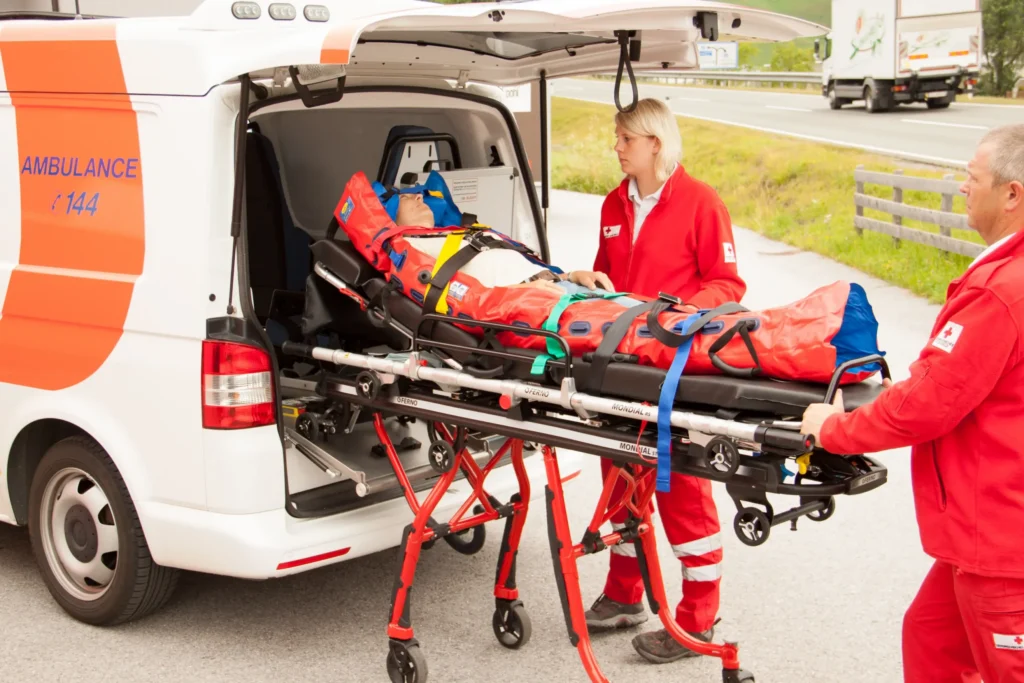
Developed for professional rescue operations, the system ensures optimal thermal insulation and weather shielding while maintaining fast handling and efficient deployment in the field. It is commonly used in combination with stretchers or vacuum immobilisation systems to enhance patient stability and environmental protection during transport.
Built for demanding rescue environments, the system prioritises simplicity, durability, and rapid application when time and conditions are critical.
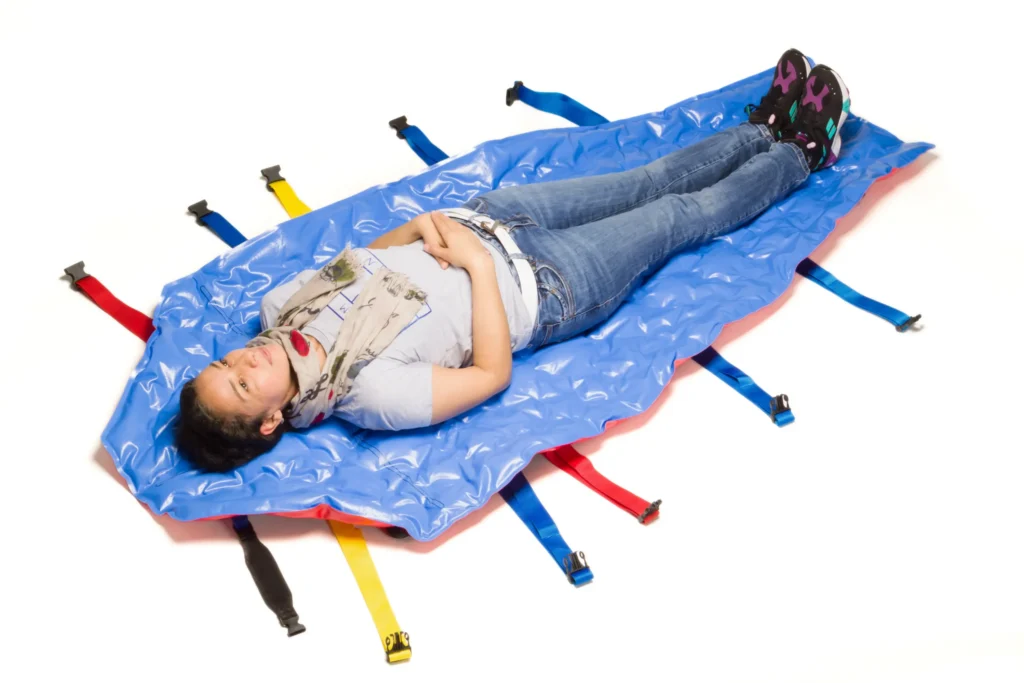
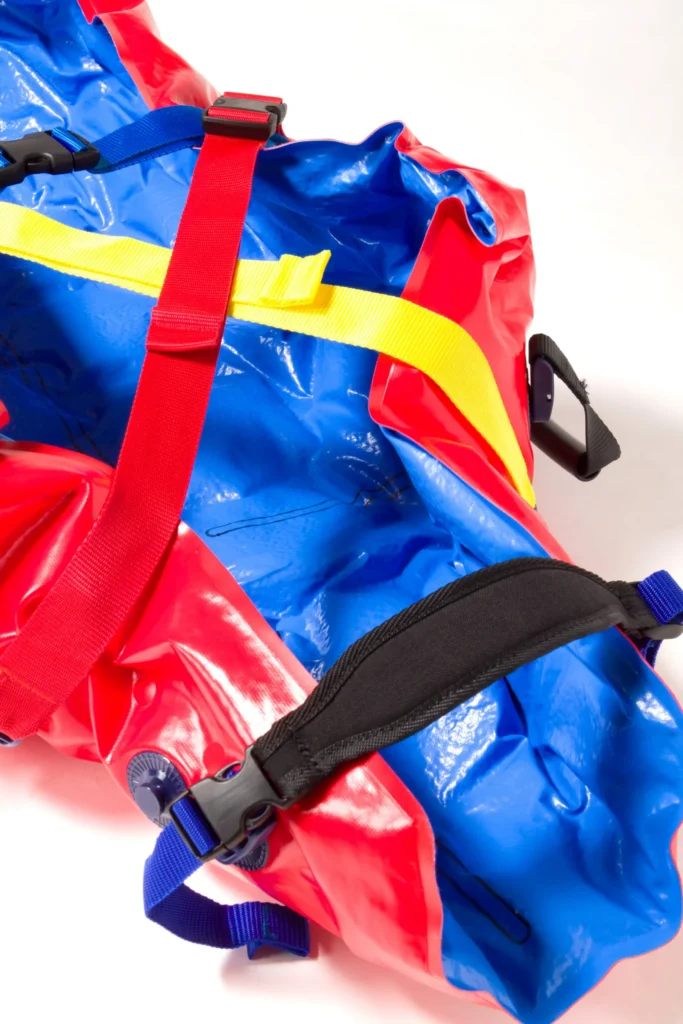
Designed for Protection During Extended Rescue Operations
The Thermal Rescue Bag is intended for pre-hospital care scenarios where patients must be protected during longer transport times or exposed evacuations.
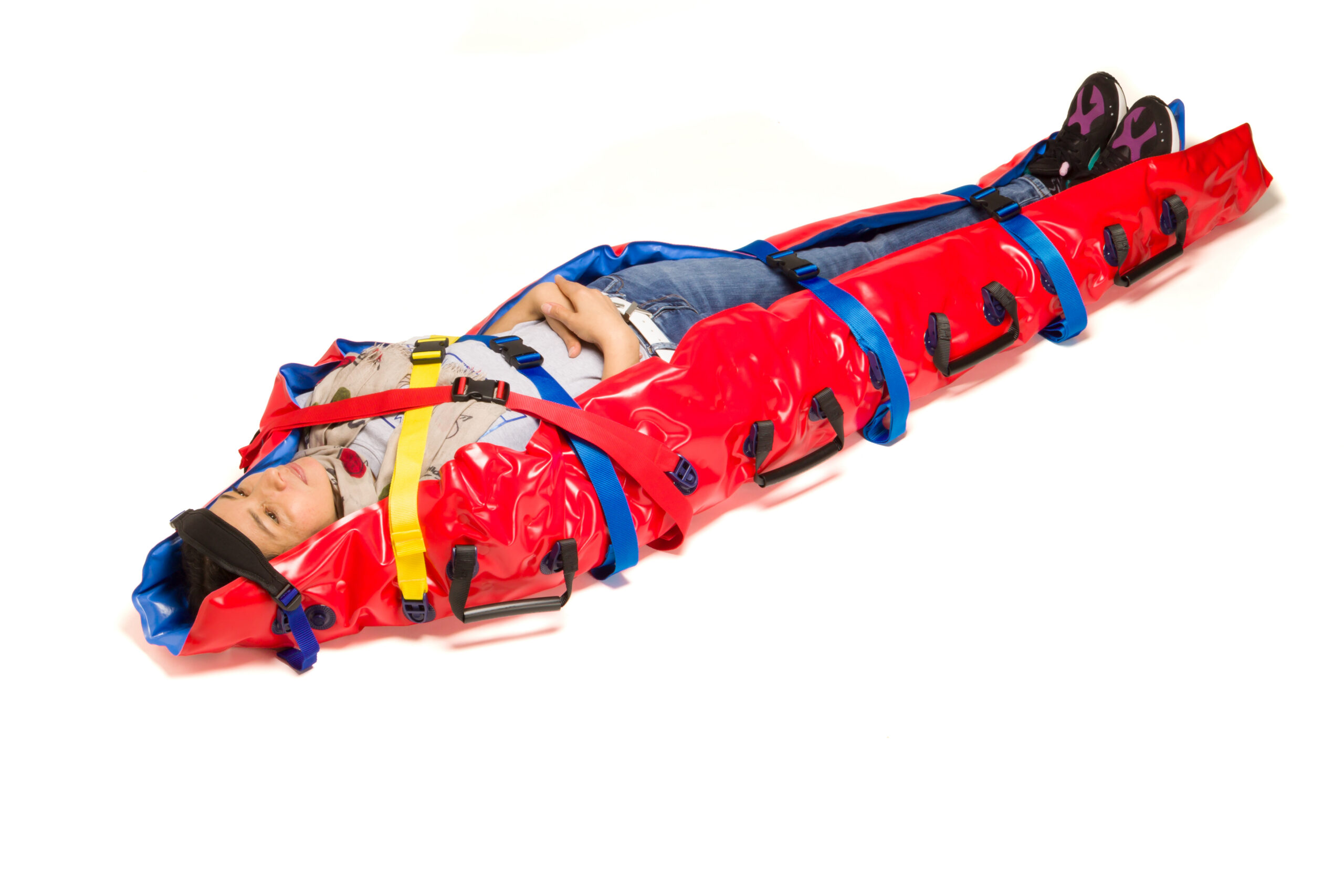
Its layered construction provides a barrier against moisture, wind, and heat loss, helping reduce the risk of hypothermia in injured or immobilised patients. The design allows rescuers to quickly secure a patient inside the system using integrated closures and handling points, even in adverse weather or low-visibility conditions.
The bag is engineered for compatibility with stretcher systems and vacuum mattresses, allowing it to function as part of a complete rescue transport chain.
Key Features


Sturdy, evenly distributed handles support horizontal lifting and controlled transport, including helicopter evacuation operations.
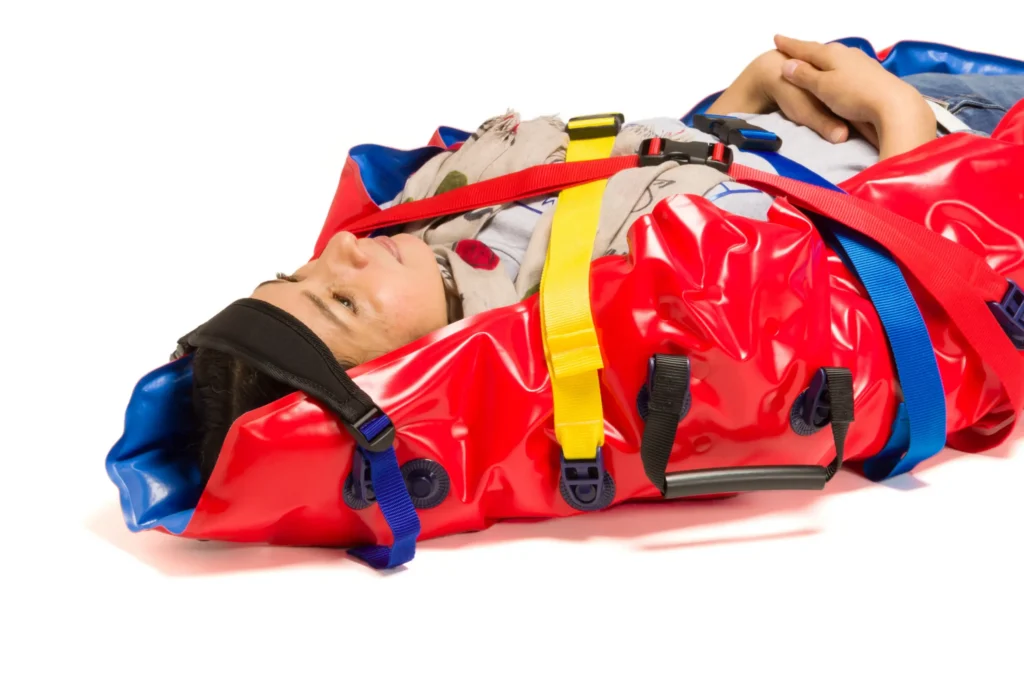
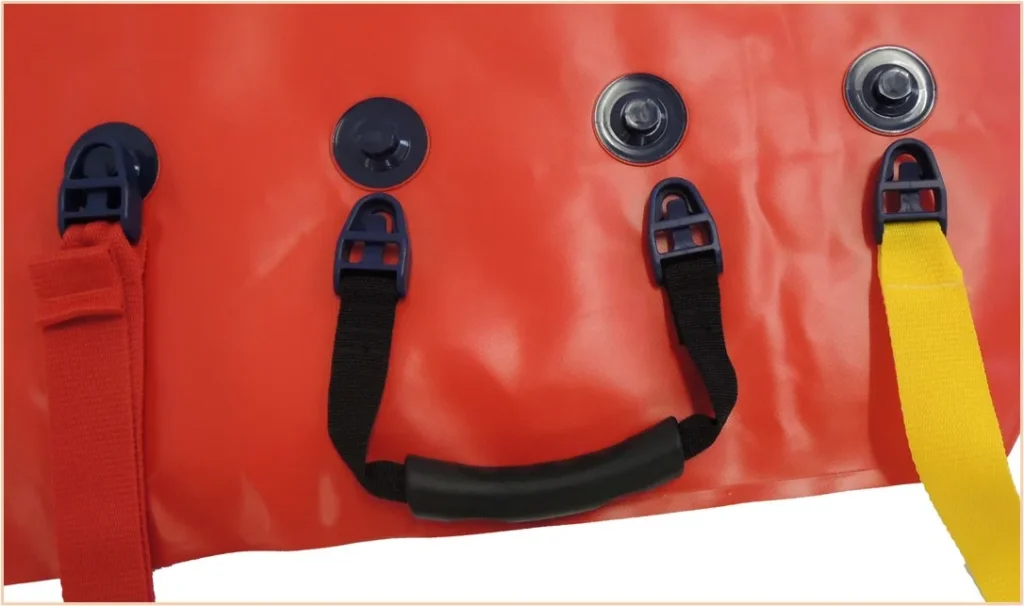

Weather-Resistant Materials
Durable outer shell materials are designed to withstand harsh environmental conditions while maintaining flexibility and usability.
Stretcher Compatibility
Designed for integration with rescue stretchers and vacuum immobilisation systems for combined patient protection and stabilisation.
Lightweight and Packable
Compact design allows easy storage and transport within rescue kits, vehicles, or helicopter equipment loads.
Benefits of the Thermal Rescue Bag
The KOBUS Thermal Rescue Bag Series is widely used in emergency response operations where environmental exposure is a critical risk factor during patient evacuation.